Events
- Home
- Events
Annual Celebrations, Exhibitions & Cultural Events
Honoring the legacy of Alluri Sitarama Raju through remembrance, culture, and community participation.

Annual Commemorative Celebrations
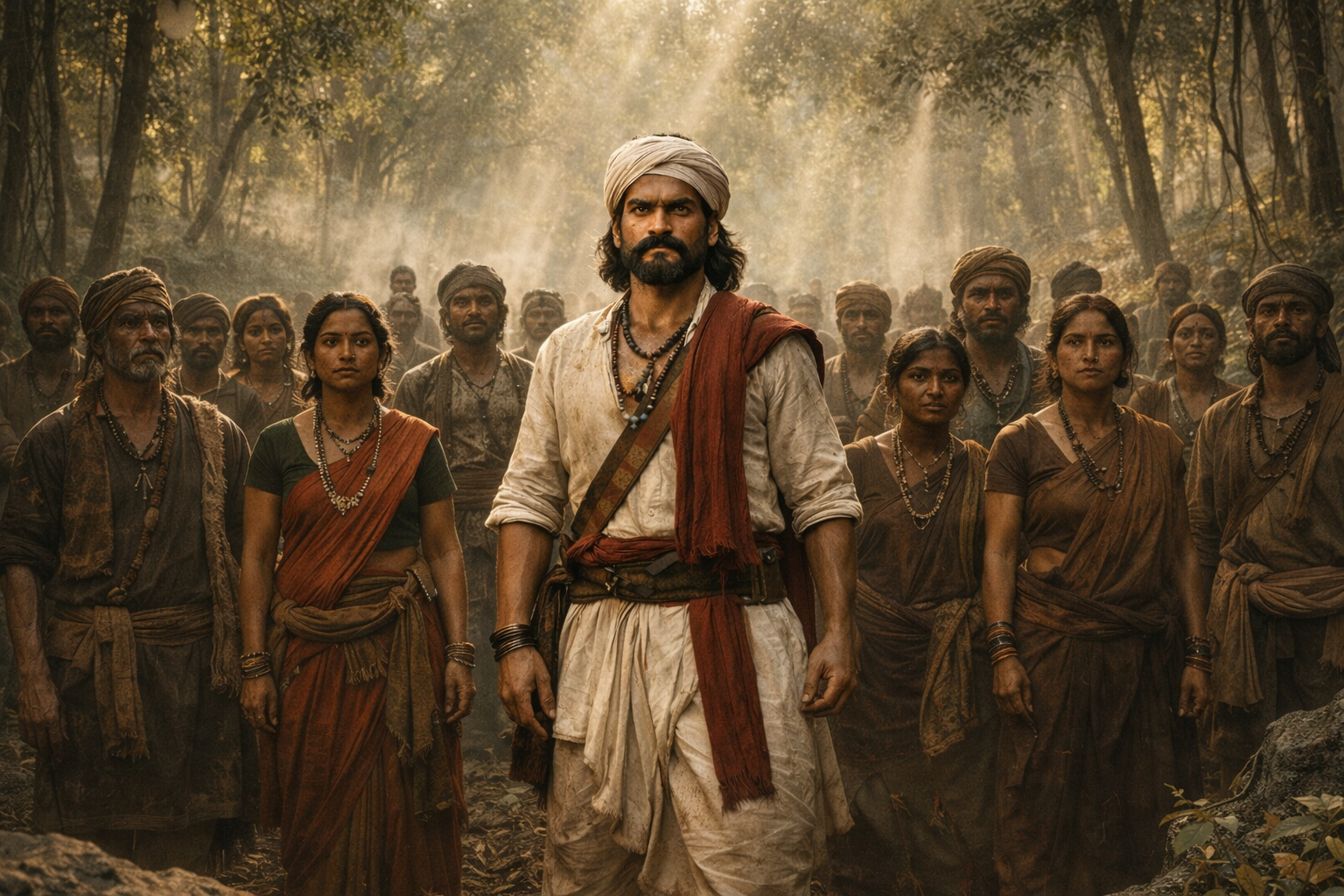
Every year, the birth and martyrdom anniversaries of Alluri Sitarama Raju are observed with great respect across Andhra Pradesh. These events include public gatherings, memorial ceremonies, and tribute programs that honor his sacrifice and leadership. Communities come together to remember his role in India’s freedom

Cultural Programs & Performances
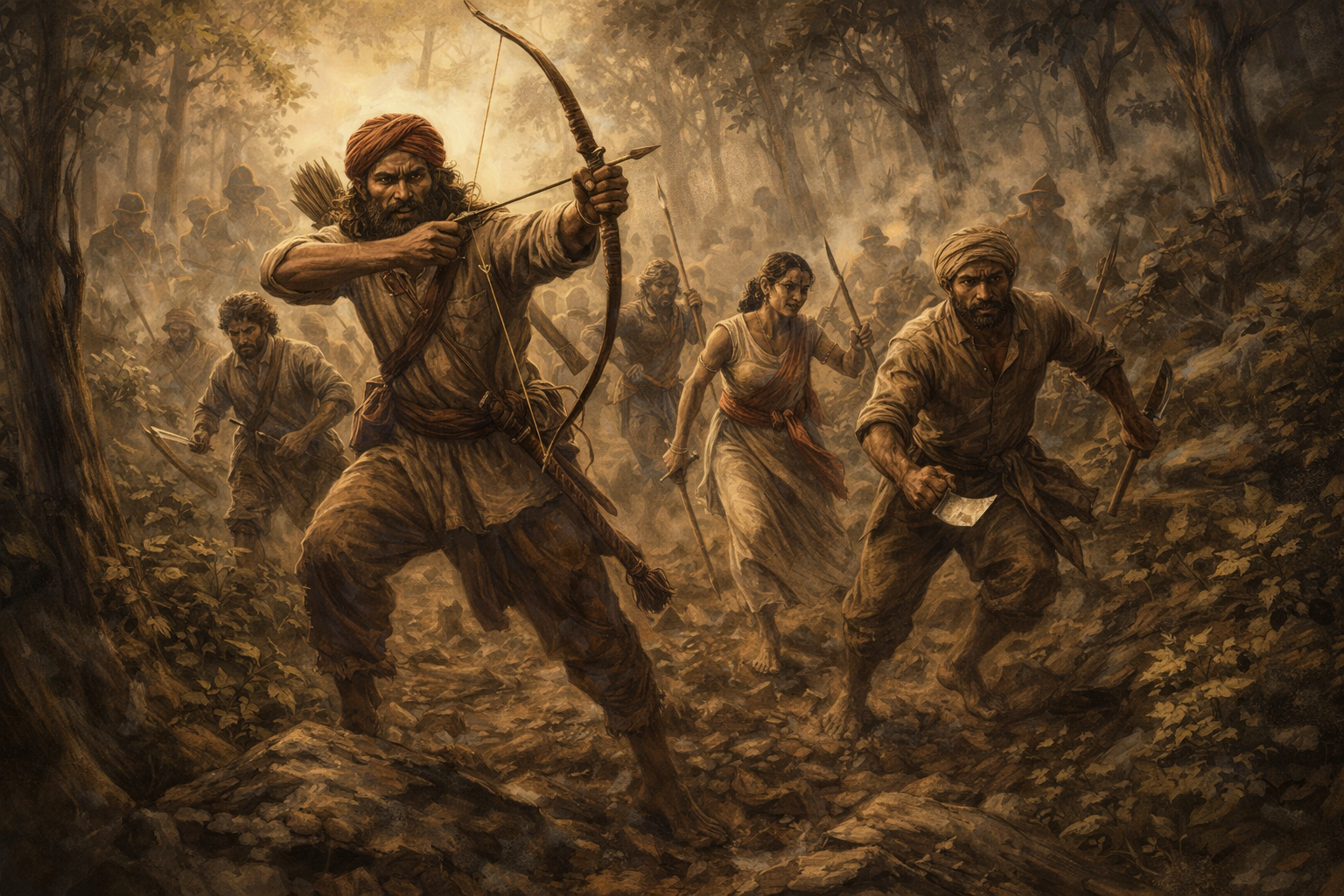
Cultural institutions organize folk performances, traditional dances, street plays, and storytelling sessions inspired by Raju’s life and the tribal heritage he represented. These artistic expressions help preserve regional culture while educating audiences about the values of courage, unity, and resistance.

Exhibitions & Historical Displays
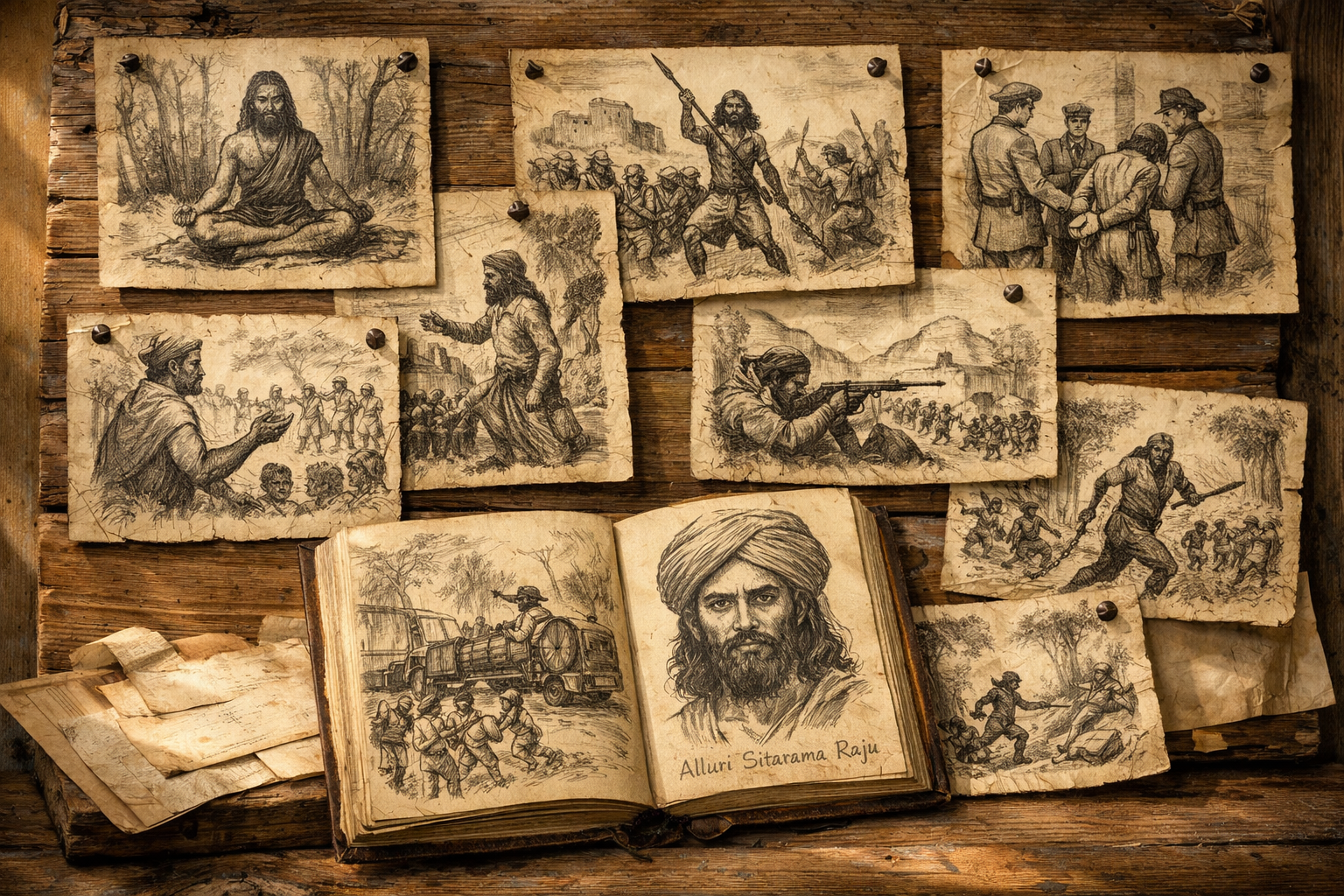
Museums and cultural centers host exhibitions featuring archival photographs, documents, paintings, and artifacts related to the Rampa Rebellion and tribal life. These displays provide historical insight and allow visitors to visually engage with the era in which Alluri Sitarama Raju lived.

Educational & Community Events
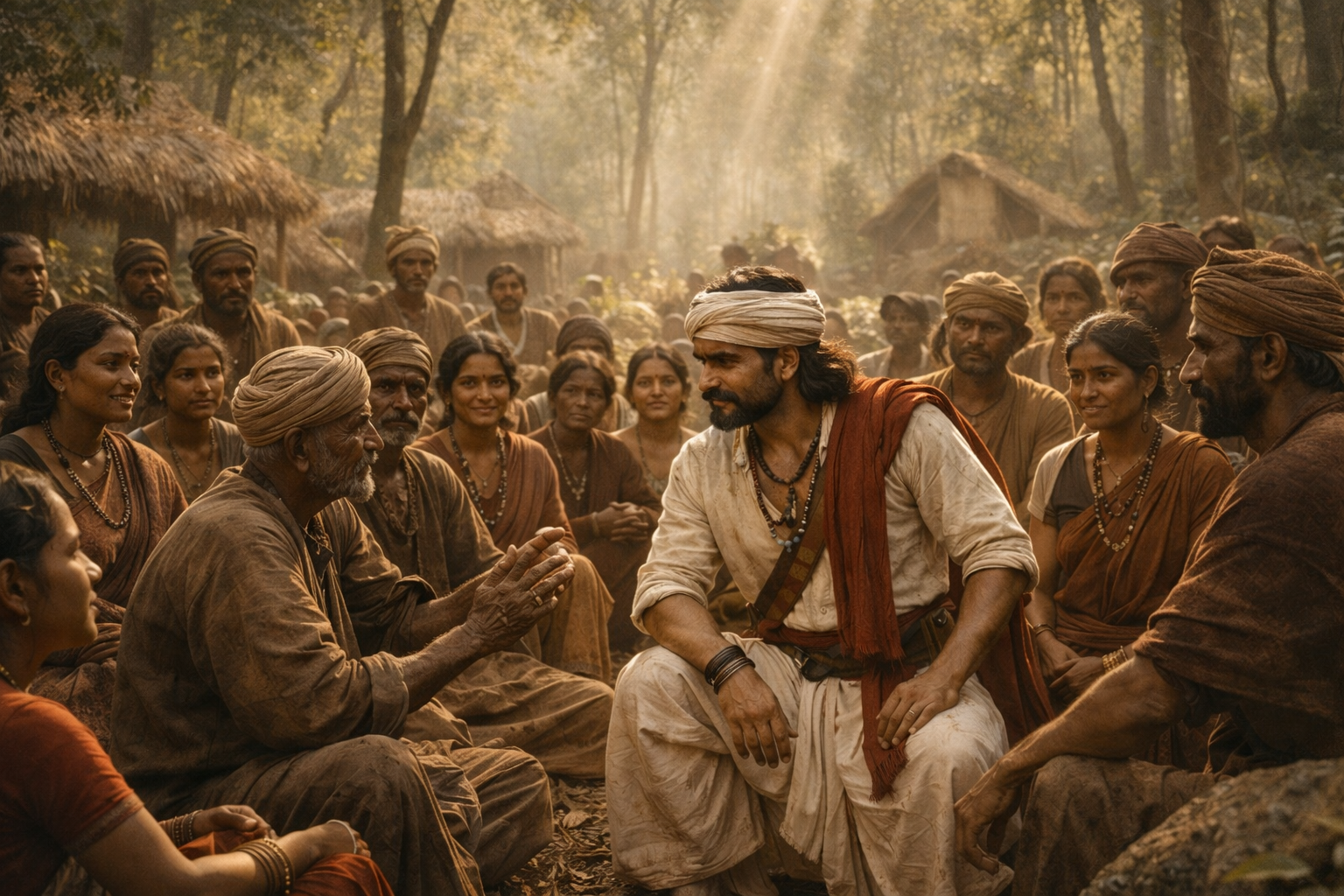
Schools, colleges, and cultural organizations conduct seminars, lectures, and heritage walks to educate students and the public about his life and ideals. These events encourage awareness, research, and continued appreciation of India’s freedom movement and tribal history.
Seminars, Webinars, and Public Talks
Engaging dialogues that explore the legacy, ideas, and relevance of Alluri Sitarama Raju.
Seminars
Seminars dedicated to the life and legacy of Alluri Sitarama Raju serve as important academic platforms for deep historical inquiry and intellectual exchange. These sessions are typically organized by universities, research institutions, cultural bodies, and history forums, bringing together scholars, historians, sociologists, and students from diverse backgrounds. The seminars explore Raju’s role in the broader framework of India’s freedom struggle, with particular emphasis on the Rampa Rebellion, tribal resistance movements, and the socio-political conditions of early 20th-century colonial India. Through detailed presentations, research papers, and moderated discussions, participants examine archival materials, colonial records, and oral histories to gain a nuanced understanding of his leadership and ideology. These academic gatherings also encourage reinterpretation of historical narratives, highlighting indigenous perspectives that were often marginalized in mainstream historical discourse. By fostering critical thinking and scholarly dialogue, these seminars help preserve historical accuracy while keeping the legacy of Alluri Sitarama Raju relevant for future generations. Participants engage with archival documents, historical texts, and academic research to analyze Raju’s strategies, ideology, and leadership style. Discussions frequently explore how his actions challenged colonial authority, empowered marginalized communities, and contributed to India’s broader freedom movement. These seminars encourage rigorous debate, comparative studies, and interdisciplinary perspectives, helping scholars reassess historical narratives and recognize the significance of indigenous resistance movements in shaping modern India.
Webinars
Webinars provide an accessible and inclusive platform for disseminating knowledge about Alluri Sitarama Raju to a global audience. Conducted through digital platforms, these online sessions bring together historians, educators, researchers, and students from different regions, enabling wider participation beyond geographical limitations. Webinars often focus on thematic discussions such as tribal resistance movements, colonial policies, leadership ethics, and the cultural impact of Raju’s struggle. These sessions typically include keynote lectures, panel discussions, multimedia presentations, and interactive question-and-answer segments. By combining historical analysis with modern digital engagement, webinars allow participants to explore Raju’s legacy in a contemporary context. They also encourage young learners to engage with history in an accessible and dynamic format, fostering awareness and appreciation for the sacrifices made by freedom fighters. These digital forums allow for the exploration of a wide range of themes, including colonial governance, tribal rights, leadership ethics, and the relevance of Raju’s ideals in contemporary society. Through multimedia presentations, archival visuals, and live question-and-answer segments, webinars create an engaging learning environment that bridges academic scholarship and public interest. They also play a crucial role in preserving historical awareness in the digital age.
Public Talks
Public talks serve as an important medium for connecting historical narratives with the broader community. Organized in schools, colleges, cultural centers, and public forums, these events aim to make the story of Alluri Sitarama Raju accessible and meaningful to people of all ages. Speakers—often historians, educators, social activists, or community leaders—share insights into his life, values, and enduring relevance. These talks emphasize the moral and social lessons drawn from his life, such as courage, integrity, self-sacrifice, and commitment to justice. Through storytelling and interactive discussions, public talks foster a deeper emotional connection with history, encouraging audiences to reflect on the importance of preserving cultural heritage and upholding ethical values in contemporary society. They play a crucial role in keeping the spirit of Alluri Sitarama Raju alive in public memory and collective consciousness. These sessions often emphasize the human and ethical dimensions of his life, encouraging audiences to reflect on themes such as sacrifice, leadership, social responsibility, and resistance to injustice. Through storytelling, discussions, and interactive engagement, public talks help bridge the gap between academic research and popular understanding. They inspire individuals, especially younger generations, to learn from history and apply its lessons to contemporary challenges.